
This post may contain affiliate links, including Amazon Associate links. If you make a purchase through these links, I may earn a small commission at no extra cost to you.
There is something especially inviting about making a little light during the darkest part of the year.
A jar covered in translucent blue tissue paper. Tiny paper stars glowing against a winter window. A simple lantern filled with words a child wants to remember. These crafts are beautiful enough to become winter decorations, but they can also create gentle opportunities to talk about feelings, strengths, gratitude, worries, hope, friendship, and the people who help us.
That makes winter lantern ideas a lovely fit for parents, teachers, school counselors, therapists, and anyone looking for a seasonal craft with a little more meaning behind it.
The important part is not turning an ordinary craft into therapy homework.
A lantern does not need to “calm” a child, eliminate anxiety, or produce a deep emotional conversation to be worthwhile. Sometimes children simply want to tear tissue paper, choose colors, make snowflakes, and watch an LED light glow through the finished design.
Other times, the activity becomes an easy opening for reflection.
Below you will find 17 winter lantern crafts that can be adapted for home, classroom SEL, school counseling, small groups, and child-focused helping settings.

Winter Lantern Supplies You Can Use Again and Again
You do not need a specialized lantern-making kit.
A small box of reusable winter craft supplies can cover most of the ideas in this article:
- battery-operated LED tea lights
- clean glass jars
- white or kraft paper bags
- translucent vellum or tracing paper
- colored tissue paper
- child-safe craft glue or decoupage medium
- washable markers
- paint markers for older children
- paintbrushes
- cardstock
- scissors
- ribbon or twine
- paper snowflakes and stars

- VALUE SET FOR LARGE DISPLAYS: This bulk pack includes 100 warm white flickering tea lights with pre-installed 240mAh CR2…
- LIFELIKE FLICKERING CANDLELIGHT: The warm white glow flickers like a real candle from across the room, while the melted-…
- SET THE SCENE IN SECONDS: Slide the switch on the base and the warm flicker starts instantly. The compact design fits ea…
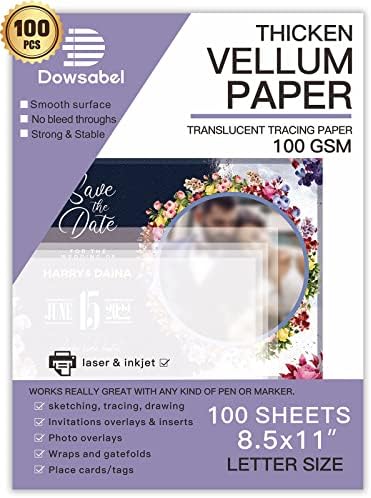
- TRANSLUCENT VELLUM SHEETS – Set includes 50 sheets of translucent vellum paper for arts and crafts. Each sheet measures …
- 68LBS=100GSM – A quality heavy duty vellum you can trust. With years and years paper manufacturing experiences, Dowsabel…
- VERSATILE – Ideal for creative wedding invitations, card insert tissue, photo overlays, scrapbooking, rubber stamping, p…

- 20 COLORS AVAILABLE – This colorful tissue paper provides 20 classic colors (40 pieces of each color), such as black, wh…
- SUITABLE SIZE – This 10″x14″ gift paper tissue is medium sized, widely used for all kinds of wrapping needs, eliminating…
- HIGH QUALITY – Our tissue paper is made from virgin wood pulp material, reusable, soft and smooth, easy to cut, fold, sh…
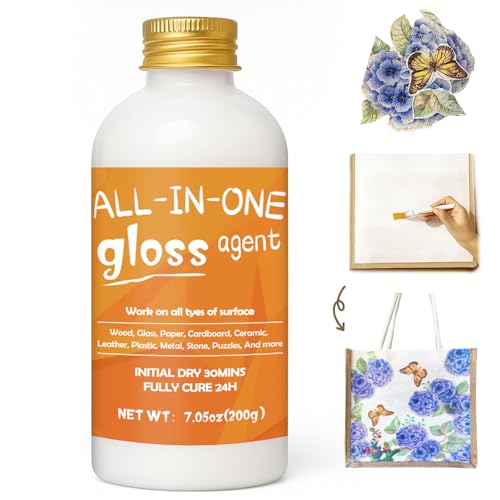
- ALL PURPOSE GLUE – Multi-purpose craft glue, sealer and clear varnish, dries quickly to a hard, gloss finish. Decoupage …
- DRIES QUICKLY ON MULTIPLE SURFACES – Paper glue this quick-drying formula works on a variety of surfaces such as wood, g…
- EASY TO USE & CLEAN – As a decoupage glue for any of your paper, tissue paper, or other types of projects. Apply water b…

- High-Quality Glass Jars — Our heavy duty mason jars are made of thick soda-lime glass, which is resistant to breaking,…
- Seals Tight — With the help of BPA-free plastisol in silver lids to isolate the air from entering the jar, The 2-piece…
- 32 OZ Wide Mouth Mason Jar — Quart mason jar is easier to clean, reusable and more fortable for storage chunks of frui…

- Package Includes – You will receive 1 roll of Christmas snowflake stickers, 500Pcs, 3 designs,each about 1 inch, suffici…
- Christmas Stickers – Featuring Christmas themed elements, charming snowflake patterns and bright colors, these stickers …
- High-Quality Material – The laser glitter stickers are made of high-quality PET material, which is durable, waterproof a…
If you are buying only one special item for this project, make it the LED lights. They allow children to enjoy the glow of a lantern without putting an open flame inside paper, tissue, cardboard, or a children’s craft project.
Four Easy Winter Lantern Bases
Before choosing the emotional-learning theme, choose how you want to build the lantern itself.
Tissue Paper Jar Lantern

Tear tissue paper into uneven pieces.
Brush a thin layer of child-safe craft glue or decoupage medium over the outside of a clean jar, add overlapping tissue pieces, and gently seal them with another light layer.
Blue, white, lavender, icy green, and pale pink create a beautiful winter look.
Once dry, add stars, snowflakes, words, or drawings.
Place a battery-operated LED tea light inside.
Vellum Paper Lantern

Decorate a sheet of translucent vellum while it is flat.
Children can draw directly on it, glue on paper shapes, or write words around the design.
Roll the finished sheet into a cylinder and secure the edge.
Place it over or around an LED light according to the dimensions of the lantern.
This is one of my favorite options for counseling groups because children can write easily on the flat surface.
Paper Bag Winter Lantern

A white or kraft paper bag makes a wonderfully inexpensive lantern base for classrooms.
Draw snowflakes, cut simple shapes with adult help, or glue translucent paper behind cut-out windows.
Place a battery-operated light inside.
This version is especially useful if you are making 20 or 30 lanterns rather than one.
Frosted Winter Jar

Cover a jar in a thin layer of pale tissue paper or a translucent frosted craft finish.
Add:
- white branches
- stars
- snowflakes
- evergreen shapes
- winter words
The finished lantern can stay on display well beyond Christmas, making it useful through January and February.
17 Winter Lantern Ideas for Kids
1. Feelings Color Lantern

Turn the lantern into a visual representation of mixed emotions.
Let the child assign meaning to several colors.
For example:
Blue might mean tired.
Yellow might mean excited.
Purple might mean worried.
Red might mean frustrated.
Green might mean comfortable.
Instead of asking the child to choose one emotion, invite them to combine several colors.
Then try:
“Can two very different feelings show up at the same time?”
A child can be excited about winter break and worried about a change in routine. They can enjoy seeing relatives and still become tired by a busy gathering.
The goal is simply making space for emotional complexity.
2. Coping Skills Lantern
Create small windows, stars, or snowflakes around the lantern.
Add one realistic coping option to each.
Ideas might include:
- ask for help
- draw
- move my body
- take a short break
- tell someone what is wrong
- go somewhere quieter
- listen to music
- get some water
- do something familiar
- use slow, comfortable breathing
Avoid filling the lantern with 20 strategies just because there is room.
Three or four options the child actually understands are enough.
For more year-round emotional-learning ideas, you can also explore these mental health activities for upper elementary students.
3. Winter Gratitude Lantern

Cut translucent stars or snowflakes from paper.
Write one small appreciation on each.
Instead of requiring children to list everything they “should be grateful for,” try gentler prompts:
Something that made today easier…
Someone I enjoy spending time with…
Something small that made me laugh…
A place I like being…
Something I learned recently…
Something I am glad I have…
Glue the pieces around the lantern so the words become illuminated when the light is turned on.
For another seasonal craft built around gratitude, see Eveyou’s Thanksgiving Gratitude Crafts for Kids.
4. Hope Lantern
This is one of the best winter lantern ideas for late December or January.
Ask:
“What are you hoping for?”
The answers do not have to be large goals.
A child might write:
“I hope it snows.”
“I hope I see my friend.”
“I hope reading feels easier.”
“I hope we visit Grandma.”
“I hope I try something new.”
Write each hope on a star and attach the stars around the lantern.
The lantern can stay on display into the new year.
5. What I Can Control Lantern
Divide the lantern into two areas.
One says:
Things I can choose or influence
The other:
Things I cannot control
Examples might include:
I cannot control whether plans change.
I can tell someone I feel disappointed.
I cannot control what someone else chooses.
I can decide whether I ask for help.
I cannot control the weather.
I can decide what I do when the original plan changes.
This works particularly well with older elementary children.
The purpose is not telling children that uncontrollable things should not bother them. It is helping them identify where action is possible.
6. Snowflake Strengths Lantern

Cut several simple paper snowflakes.
On each one, add a strength.
For example:
- creative
- curious
- persistent
- thoughtful
- brave
- funny
- observant
- caring
- imaginative
- willing to try
Then make the activity more meaningful by asking:
“When have you used this strength?”
Instead of only writing “brave,” a child might remember:
“I went into my new classroom even though I was nervous.”
That specific example helps turn a generic positive word into something connected to the child’s actual experience.
7. Worry and Support Lantern
Winter and holiday periods can bring unfamiliar routines, performances, travel, gatherings, school changes, and plenty of anticipation.
For this lantern, write worries on small pieces of paper.
Then sort them using three questions:
Can I do something about this?
Do I need someone to help me?
Is this something I cannot know yet?
If a worry needs support, add the name of someone the child could approach.
This is more realistic than pretending every worry can simply be “let go.”
Some worries require action.
Some require support.
Others involve uncertainty.
8. Kindness Lantern

Decorate a lantern with small examples of kindness.
Ideas include:
- invite someone to join
- listen when someone talks
- thank someone
- help clean up
- give a sincere compliment
- ask before helping
- respect someone’s “no”
- notice when someone needs space
For a classroom, children could contribute one kindness idea to a shared lantern.
Turn it on during morning meeting and choose one idea to notice or practice.
For more social-emotional activities around connection, Eveyou’s Empathy Activities for Kids is a natural next read.
9. Mindful Winter Lantern
Keep this lantern visually simple.
Create a repeating design such as:
star — snowflake — star — snowflake.
Slowly trace the pattern with one finger while noticing the movement and breathing comfortably.
You could also use the lantern as a visual prompt for a short winter noticing exercise:
What can you see right now?
What can you hear?
What can you feel against your hands or feet?
What is one thing you had not noticed until now?
There is no need to promise the activity will make every child calm.
It is simply a small practice in noticing.
If you want more gentle December rituals, Eveyou’s Mindful Advent Calendar offers 24 seasonal activities that can be adapted for home, classroom, or counseling use.
10. Winter Nature Lantern
Take the craft outdoors first.
Look for winter inspiration:
- bare branches
- pine needles
- seed heads
- evergreen shapes
- winter birds
- moon shapes
- frost patterns
- pinecones
Children can sketch what they noticed and recreate those shapes on translucent paper.
You might ask:
“What did you notice only because you stopped to look?”
This works particularly well for children who prefer observation and creating over direct feelings discussions.
11. Memory Lantern
Winter holidays often carry memories.
A child might miss:
- a family member
- friend
- pet
- previous home
- old school
- family tradition
- someone who lives far away
Invite them to add a symbol, color, drawing, or memory to the lantern.
Participation should always remain optional.
A memory lantern does not need to become a grief intervention. It can simply provide a way to acknowledge that someone or something still matters.
12. Friendship Light Lantern
Ask:
“What makes friendship feel good?”
Children can write answers around the lantern.
Examples might include:
- being included
- laughing together
- honesty
- sharing interests
- listening
- apologizing
- giving each other space
- respecting boundaries
With older students, add:
“Would every person want exactly the same things from a friendship?”
That opens a useful discussion about individual preferences rather than creating one rigid definition of a “good friend.”
13. Calm Corner Lantern
A winter lantern can also become a simple visual element in a classroom calm corner or school counseling room.
Keep the design uncluttered.
Try three words:
Notice.
Choose.
Ask.
Nearby, children might have access to:
- paper and pencils
- books
- visual coping choices
- a few familiar sensory tools
The lantern is not a command to “calm down.”
It simply marks a place where a child can pause and consider what they need next.
If you are setting up a larger sensory or regulation space, Eveyou’s Sensory Room Design for Counselors offers more ideas for designing the environment intentionally.
14. Big Feelings Lantern
This lantern does not need pretty snowflakes.
Give children:
- bold tissue colors
- paint markers
- torn paper
- thick lines
- scribbles
- abstract shapes
Try prompts such as:
“If frustration had a line, what would it look like?”
“What color is excitement today?”
“What shape could disappointment have?”
There is no correct answer.
One child may draw anger in yellow. Another may choose pale blue.
Avoid interpreting the colors for them.
If the child enjoys craft-based emotional expression, continue with Creative Craft Ideas to Help Children Express Anger.
Affiliate link: [Washable paint markers for glass and paper crafts — ADD VERIFIED AMAZON LINK]
15. Support People Lantern
Create several glowing windows around the lantern.
Inside them, write the names or draw symbols for people the child can approach.
You could use categories such as:
At home
At school
When I need help solving something
When I want someone to listen
When I feel unsafe
Children do not need to fill every window.
Identifying one reliable support person is more meaningful than creating an impressive-looking list.
16. Family Connection Lantern
Instead of giving every person a separate lantern, make one together.
Each family member contributes a few pieces.
Try prompts such as:
Something we enjoy doing together
Something that made us laugh
A winter tradition we want to keep
Something we want more of this season
A way we can help each other
Then use the lantern during dinner, a winter movie night, or another family ritual.
The craft becomes a decoration that carries a little family history with it.
17. New Year Intention Lantern
This version gives the article a useful life beyond Christmas.
Add stars containing simple intentions for the coming year.
Avoid perfection-based resolutions such as:
“I will never get angry.”
“I will always be organized.”
“I will stop worrying.”
Instead, try:
I want to ask for help sooner.
I want to draw more.
I want to try something new.
I want to notice when I need a break.
I want to spend more time with people I enjoy.
I want to keep practicing even when something is difficult.
Keep the lantern through January as a visual reminder.
For more activities that bridge December and January, continue with New Year Reflection Crafts for Kids.
Shop the Winter Lantern Craft Supplies
If you are making several of these winter lantern crafts, you do not need seventeen different craft kits.
A few versatile supplies cover almost everything.
- VALUE SET FOR LARGE DISPLAYS: This bulk pack includes 100 warm white flickering tea lights with pre-installed 240mAh CR2…
- LIFELIKE FLICKERING CANDLELIGHT: The warm white glow flickers like a real candle from across the room, while the melted-…
- SET THE SCENE IN SECONDS: Slide the switch on the base and the warm flicker starts instantly. The compact design fits ea…
- TRANSLUCENT VELLUM SHEETS – Set includes 50 sheets of translucent vellum paper for arts and crafts. Each sheet measures …
- 68LBS=100GSM – A quality heavy duty vellum you can trust. With years and years paper manufacturing experiences, Dowsabel…
- VERSATILE – Ideal for creative wedding invitations, card insert tissue, photo overlays, scrapbooking, rubber stamping, p…
- 20 COLORS AVAILABLE – This colorful tissue paper provides 20 classic colors (40 pieces of each color), such as black, wh…
- SUITABLE SIZE – This 10″x14″ gift paper tissue is medium sized, widely used for all kinds of wrapping needs, eliminating…
- HIGH QUALITY – Our tissue paper is made from virgin wood pulp material, reusable, soft and smooth, easy to cut, fold, sh…
- ALL PURPOSE GLUE – Multi-purpose craft glue, sealer and clear varnish, dries quickly to a hard, gloss finish. Decoupage …
- DRIES QUICKLY ON MULTIPLE SURFACES – Paper glue this quick-drying formula works on a variety of surfaces such as wood, g…
- EASY TO USE & CLEAN – As a decoupage glue for any of your paper, tissue paper, or other types of projects. Apply water b…
- High-Quality Glass Jars — Our heavy duty mason jars are made of thick soda-lime glass, which is resistant to breaking,…
- Seals Tight — With the help of BPA-free plastisol in silver lids to isolate the air from entering the jar, The 2-piece…
- 32 OZ Wide Mouth Mason Jar — Quart mason jar is easier to clean, reusable and more fortable for storage chunks of frui…
- Package Includes – You will receive 1 roll of Christmas snowflake stickers, 500Pcs, 3 designs,each about 1 inch, suffici…
- Christmas Stickers – Featuring Christmas themed elements, charming snowflake patterns and bright colors, these stickers …
- High-Quality Material – The laser glitter stickers are made of high-quality PET material, which is durable, waterproof a…
You do not need every product on this list. Choose according to the lantern style you actually plan to make.
How to Use Winter Lantern Crafts in School Counseling
The strength of this activity is that the same basic craft can support very different counseling goals.
Individual Counseling
Choose one theme based on what the student is already working on.
For example:
- coping
- support people
- strengths
- worries
- hopes
- emotional vocabulary
Children can craft while talking rather than having to maintain face-to-face conversation throughout the session.
Small Counseling Groups
Give everyone the same lantern base while allowing different answers.
A friendship group might make Friendship Light Lanterns.
An emotional-awareness group could make Feelings Color Lanterns.
A coping group might make Coping Skills Lanterns.
A transition or resilience group could create Hope Lanterns.
Classroom SEL
For a whole classroom, choose prompts that do not require private disclosure.
Good choices include:
- strengths
- kindness
- gratitude
- winter observation
- hopes
- friendship
Children should always be able to keep personal experiences private.
A Ready-to-Use 30-Minute Winter Lantern Counseling Activity
Need something you can use tomorrow?
Try this simple format.
5 Minutes: Choose the Theme
Offer two or three options.
For example:
Strengths
Hope
Coping
Too many options may slow the activity down.
15 Minutes: Create the Lantern
Decorate a paper bag, vellum sheet, or pre-prepared jar.
Allow conversation to happen naturally while the child works.
5 Minutes: Add Three Meaningful Details
Ask the child to add three words, symbols, drawings, or colors related to the theme.
5 Minutes: Reflect
Try:
Which part of your lantern matters most to you?
Was anything hard to choose?
Where would you like to keep it?
There is no need to interpret the artwork.
Let the child explain it if they want to.
How to Adapt Winter Lantern Ideas by Age
Preschool and Early Elementary
Keep the craft very visual.
Try:
- tissue colors
- feelings faces
- simple strengths
- stars
- snowflakes
- drawings
Adults can write down the child’s words.
Upper Elementary
This age group can explore:
- mixed emotions
- coping
- strengths with examples
- controllable vs. uncontrollable situations
- friendship
- support people
- hopes
If you work with this age group regularly, the mental health awareness activities for upper elementary students can extend the activity into a wider SEL lesson.
Teens
Use a less childlike design if that better fits the group.
Try:
- minimalist vellum lanterns
- black-and-white winter illustrations
- photography
- personal symbols
- values
- intentions
- meaningful words
- abstract designs
Do not assume teens need motivational quotes. Let them choose their own language.
Adults
A winter lantern can also become a reflective craft for adults.
Possible themes:
- what I want more of
- people who supported me
- small joys
- boundaries
- values
- what I am leaving behind
- intentions for the next season
The visual style can remain simple and sophisticated.
Common Mistakes With Mental Health Crafts
Turning Every Craft Into Therapy
Not every snowflake needs a psychological meaning.
Sometimes making something beautiful together is enough.
Forcing Gratitude
Children can feel disappointed, worried, angry, or sad and still notice something they appreciate.
Gratitude should not be used to erase other emotions.
Requiring Personal Disclosure
A child who does not want to talk about themselves can:
- create a fictional example
- respond about a character
- choose a neutral winter theme
- simply decorate
Interpreting Colors or Drawings for the Child
Do not assume dark colors mean sadness or red means anger.
Ask:
“Tell me about this part.”
rather than:
“You used black because you feel sad.”
Making the Craft Too Complicated
If the emotional-learning goal takes five minutes but assembling the perfect lantern takes an hour, simplify the lantern.
Paper bags are perfectly acceptable.
Expecting the Lantern to Regulate Emotions
Crafts can support reflection, expression, connection, or enjoyable activity.
They are not treatments, and a child does not need to become calm for the project to be considered successful.
Winter Lantern Ideas for Christmas and Beyond
One reason I particularly like this seasonal craft is its long useful window.
In November, use:
- gratitude lanterns
- kindness lanterns
- nature lanterns
In December, try:
- mindful lanterns
- friendship lanterns
- support lanterns
- memory lanterns
- coping lanterns
In January, transition to:
- hope lanterns
- strengths lanterns
- intention lanterns
- What I Can Control lanterns
That means the same basic supplies can support several months of classroom, counseling, or family activities.
It also makes the craft more versatile than something that works only during Christmas week.
Final Thoughts
There is a reason winter lantern ideas feel especially beautiful when the afternoons grow darker.
A child takes ordinary paper, glue, color, and a tiny light and turns them into something glowing.
Sometimes that is all the activity needs to be.
But a lantern also gives us an unusual little canvas.
It can hold a strength.
A hope.
A worry that needs support.
A person who matters.
Something a child appreciates.
A reminder of what they can do when a difficult moment arrives.
Or simply a collection of blue tissue-paper snowflakes because blue is their favorite color.
That flexibility is what makes winter lantern crafts particularly useful at home, in classrooms, and in counseling spaces.
Start with the craft.
Keep the emotional invitation gentle.
Let children decide how personal they want to make it.
And when the little LED light finally comes on, let them enjoy what they created.
READ MORE:
- Mindful Advent Calendar
- Thanksgiving Gratitude Crafts for Kids
- Creative Craft Ideas to Help Children Express Anger
- Mental Health Awareness Activities for Upper Elementary Students
- Empathy Activities for Kids
- Sensory Room Design for Counselors
- New Year Reflection Crafts for Kids

About the Author
Hi, I’m Eve, a former school counselor with a master’s degree in School Psychology and a passionate advocate for children and families navigating sensory challenges. As a mom of children with sensory sensitivities, I deeply understand the journey special-needs parents face, and I dedicate myself to researching and sharing practical solutions to help children thrive and feel comfortable in their bodies. My goal is also to empower counselors, therapists, and psychologists with creative strategies and supportive resources to enrich their everyday practice. When I’m not writing or exploring new therapeutic approaches, you’ll find me spending quality time with my family and continually seeking inspiration from everyday moments.

