
For many psychologists, counselors, and therapists, winter workwear can be unexpectedly stressful. You’re walking through slushy parking lots, shuttling between buildings, maybe even doing school visits – and then stepping into a calm, professional therapy space where first impressions matter. The right winter boots aren’t just a fashion choice; they’re part of how you stay grounded, warm, and confident through long, emotionally demanding days.
This guide to the best professional winter boots for psychologists blends practicality with quiet, elegant style. From sleek ankle boots to waterproof leather pairs that look like classic dress boots, each category is chosen with three things in mind: warmth, all-day comfort, and a professional, client-facing look. Your footwear should support your body and nervous system – not distract you or your clients.
This article contains affiliate links. If you choose to buy something through them, I may receive a small commission at no extra cost to you. Thank you for supporting my work and helping me create more resources for therapists, counselors, and parents.
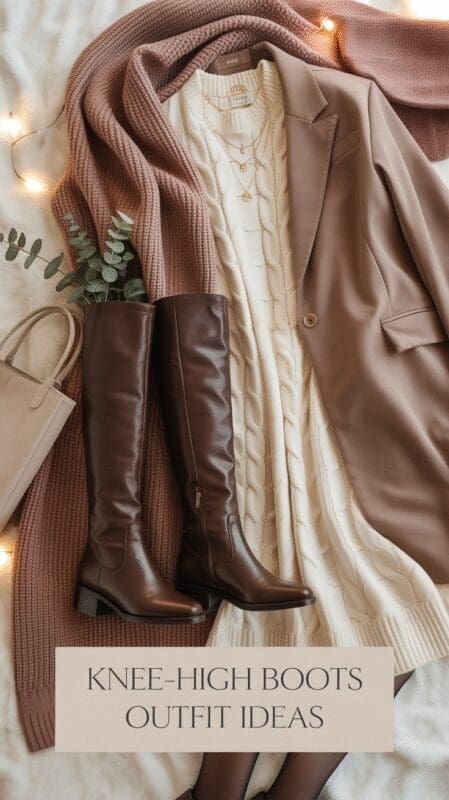
What to Look for in Professional Winter Boots
Before choosing specific styles, it helps to think about your day: Do you walk a lot between sessions? Are you in schools, private practice, or hospital settings? Do you stand during groups? These questions matter when you’re investing in comfortable winter boots for work.
- Warmth & insulation: Look for lined interiors (fleece, shearling, or insulated footbeds) if you have cold winters or long commutes.
- Weather protection: Waterproof leather, treated suede, or seam-sealed designs keep slush, snow, and rain from soaking in.
- Heel height: For therapy work, 0–2 inches is usually the sweet spot – it looks polished but still stable and kind to your joints.
- Arch support & cushioning: A cushioned insole or room to add your own orthotic makes a huge difference on days with back-to-back sessions.
- Sole grip: Rubber, lug, or textured soles give traction on icy sidewalks and wet flooring.
- Professional silhouette: Clean lines, simple hardware, and neutral colors keep the focus on you and your client, not your shoes.
Once you know your priorities, you can choose a boot style that fits your winter therapist outfits and your specific work environment.
1. Classic Black Leather Ankle Boots
Why they work: A pair of sleek black ankle boots is the winter equivalent of a good blazer: it goes with nearly everything and always looks professional. The simple silhouette pairs beautifully with tailored trousers, midi dresses, and opaque tights, which makes them ideal for clinic, school, or private practice settings.
Comfort details to look for: Choose a low or block heel (around 3–5 cm) with a slightly rounded toe box so you’re not squeezing your feet. Cushioned insoles and flexible leather help prevent foot fatigue, especially on days when you’re walking between offices or standing during group sessions.
How to style for therapy work: Pair black ankle boots with ankle-length trousers and a soft knit sweater for a modern, professional look, or with a knee-length sweater dress and tights for a slightly softer, more approachable vibe. These boots are also perfect for “capsule wardrobe” styling: one pair can support dozens of winter work outfits for psychologists.
Best for: Therapists who want one go-to pair they can wear with almost everything in their winter wardrobe.


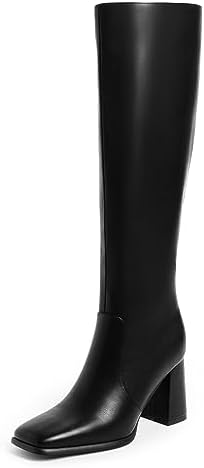
2. Knee-High Boots with Sleek Design
Why they work: Knee-high boots instantly look more “dressed up” while also adding extra warmth on cold days. A streamlined leather or faux-leather shaft creates a long, clean line that works beautifully with midi dresses, sweater dresses, and pencil skirts. They’re especially practical if your office tends to be chilly or you have a long outdoor commute.
Fit & comfort tips: Measure your calf and choose boots with a shaft circumference that feels comfortable over tights or slim pants. Look for full zippers (easier to get on and off) and a soft lining that doesn’t feel stiff when you sit cross-legged or bend. A low block heel offers elegance without straining ankles or knees.
Styling idea: Combine knee-high boots with a knit midi dress, blazer, and simple jewelry for a quiet luxury winter look that feels both warm and professional.
Best for: Psychologists and counselors who like wearing dresses in winter but still need warmth and coverage.
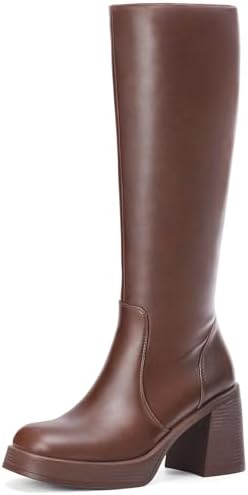
3. Suede Boots for a Softer Aesthetic
Why they work: Suede brings a softer, cozier texture that feels very aligned with a welcoming therapy office. In shades like taupe, chocolate, or warm grey, suede ankle or mid-calf boots can make your outfits feel more relaxed without losing professionalism. They pair beautifully with sweater dresses, wool skirts, and soft knits.
Care tips for busy professionals: Before winter starts, treat your suede boots with a protective spray to resist water and salt stains. Keep a small suede brush by the door so you can quickly buff away marks after your commute. Choosing deeper colors (charcoal, espresso) helps them look cleaner for longer in snowy climates.
Nervous-system-friendly styling: Suede’s matte finish and soft texture can feel less visually “sharp” than patent or very shiny leather, which can support a calmer, more grounded visual atmosphere for sensitive or anxious clients.
Best for: Therapists who prefer a cozy, softer office aesthetic and want their outfits to mirror that warmth.
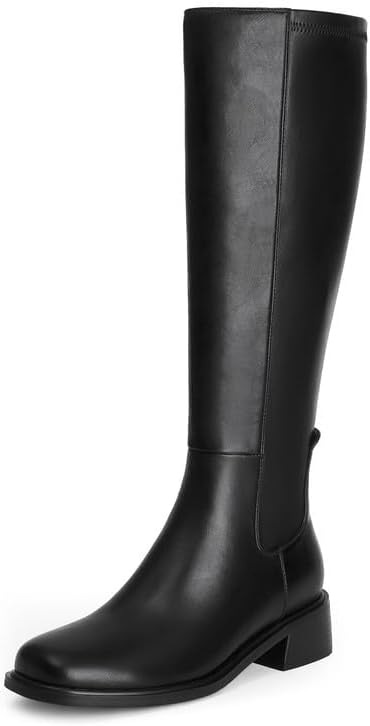
4. Chelsea Boots for Minimalist Style
Why they work: Chelsea boots are a minimalist’s dream: slip-on design, clean lines, and almost no hardware. They’re perfect for quiet, understated winter outfits that still feel modern and professional. Elastic side panels make them quick to pull on during busy mornings when you’re getting yourself (and maybe kids) out the door.
Practical features to look for: Opt for leather or waterproofed materials with a non-slip rubber sole. A slightly higher shaft that covers the ankle keeps out drafts and pairs easily with cropped trousers, straight-leg pants, or thick tights.
How to wear them: Style Chelsea boots with straight-leg black pants, a fine-knit turtleneck, and a long cardigan or blazer for a sleek, minimalist therapy outfit that still feels approachable.
Best for: Psychologists and counselors who love simple, capsule-style wardrobes and easy mix-and-match pieces.
5. Heeled Boots for Elevated Professionalism
Why they work: A low block heel can instantly elevate your look for presentations, parent meetings, or supervision days when you want a more formal presence. Heeled ankle or knee-high boots pair beautifully with structured dresses, tailored trousers, and long coats.
Comfort first (even with heels): Keep heel height moderate – around 2 inches (5 cm) or less – and prioritize a wider, stable heel over narrow stilettos. Look for padding under the ball of the foot and a supportive arch. If your nervous system is already doing a lot of work in session, your footwear shouldn’t add extra strain.
When to wear: Reserve your heeled boots for days when you’re mostly indoors or have fewer long walks. On heavy-weather days, you can commute in waterproof boots and change into heeled boots at the office for a polished, put-together look.
Best for: Psychologists presenting workshops, attending meetings, or working in settings with a more formal dress code.
6. Waterproof Winter Dress Boots
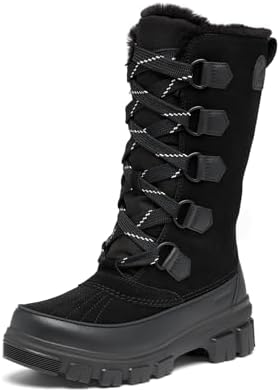
Why they work: In many regions, winter means snow, slush, and salt on the sidewalks. Waterproof winter boots for work are the secret to staying dry and still looking polished. These boots often look like classic leather dress boots on the outside while quietly hiding seam-sealed construction, waterproof membranes, or insulated linings.
Features to prioritize: Look for waterproof leather or treated materials, sealed seams, and a sturdy sole with good grip. Many brands now offer “city-friendly” waterproof boots that don’t look bulky or outdoorsy – perfect for therapy offices and hospital corridors.
Styling idea: Pair waterproof dress boots with wool trousers and a long coat for your commute, then keep the boots on during sessions. They’ll still look like classic work shoes once you’re inside.
Best for: Therapists in snowy or rainy climates who are constantly moving between buildings or campuses.
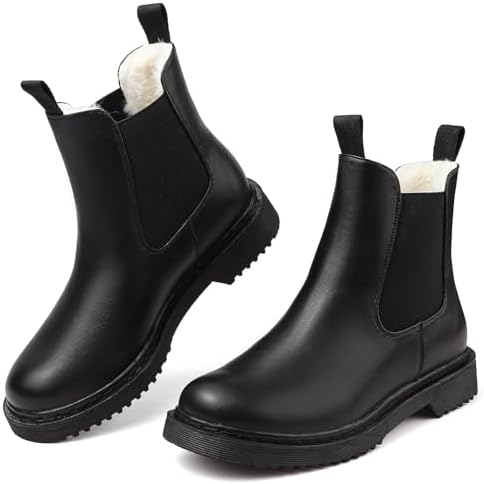
7. Cozy Lined Boots for Casual Office Days
Why they work: Faux-fur or fleece-lined boots are a lifesaver on casual Fridays, telehealth days at the office, or long report-writing afternoons. When styled thoughtfully, they can still look neat and intentional – not like you just came in from shoveling snow.
How to keep them professional: Choose slim, streamlined silhouettes in neutral colors (black, taupe, caramel) rather than bulky shapes. Avoid oversized logos or heavy hardware. Pair them with tailored joggers, ponte pants, or dark straight-leg jeans if your setting allows a more relaxed dress code.
Nervous system note: On days when you’re feeling depleted, cozy lined boots can be a genuine regulation tool – a small way to keep your body warm and supported so you can be emotionally present for your clients.
Best for: Home-office days, telehealth, or casual environments where comfort is a top priority.
How to Care for Your Winter Work Boots
Investing in one or two good pairs of professional winter boots for women is only half the story – caring for them will make them last across many seasons.
- Rotate pairs: If possible, alternate between two pairs so each can fully dry between wears.
- Use a boot tray: Keep a small tray by the door for wet boots so salt and water don’t spread across your home or office floors.
- Wipe and condition leather: Gently wipe off salt and dirt, then condition leather a few times each winter so it stays supple and polished.
- Refresh insoles: Replace insoles once they compress – your feet, knees, and lower back will thank you.
- Store upright: Use boot shapers or rolled magazines to keep tall shafts from slouching and creasing.
Taking a few minutes each week to care for your boots helps them stay professional-looking and comfortable for much longer, which is especially helpful on a therapist’s budget.
Final Thoughts: Winter Boots That Support Your Work
The best professional winter boots for psychologists combine warmth, comfort, and quiet elegance. They support your body through full days of holding space, help you feel grounded as you move between sessions, and keep you looking polished even when the weather isn’t cooperating.
Whether you gravitate toward classic black ankle boots, sleek knee-high pairs, minimalist Chelsea boots, or waterproof dress styles, think of your footwear as part of your self-care and nervous system support. When your feet are warm and supported, it’s easier to stay present, attuned, and calm in the room.
For more winter workwear inspiration, explore my other style guides, including Quiet Luxury Winter Outfits for Psychologists and Winter Work Dresses for Counselors. Together, they can help you build a small, thoughtful winter wardrobe that feels both professional and deeply kind to your body.
FAQ: Winter Boots for Psychologists & Therapists
Can I wear boots with dresses and still look professional?
Yes. Pairing knee-high or sleek ankle boots with opaque tights and a knee-length or midi dress looks polished and appropriate in most therapy settings. Stick to neutral colors and clean lines and avoid overly chunky or casual designs.
How many pairs of winter work boots do I really need?
Most therapists can do a lot with 1–2 pairs: one classic pair (like black ankle boots or waterproof dress boots) and one slightly cozier pair (like lined boots or suede). If you live somewhere with harsh winters and walk a lot, adding a third, fully waterproof pair can be helpful.
Are heeled boots appropriate for therapy work?
Low block-heeled boots are absolutely appropriate as long as they’re stable and comfortable for you. Avoid very high or narrow heels that make walking difficult or noisy – you want your presence to feel grounded and steady, not precarious.
What’s the best color for professional winter boots?
Black, dark brown, taupe, and deep grey are the most versatile. They pair easily with winter work outfits for women therapists and look polished across different dress codes, from schools to clinics to private practice.

About the Author
Hi, I’m Eve, a former school counselor with a master’s degree in School Psychology and a passionate advocate for children and families navigating sensory challenges. As a mom of children with sensory sensitivities, I deeply understand the journey special-needs parents face, and I dedicate myself to researching and sharing practical solutions to help children thrive and feel comfortable in their bodies. My goal is also to empower counselors, therapists, and psychologists with creative strategies and supportive resources to enrich their everyday practice. When I’m not writing or exploring new therapeutic approaches, you’ll find me spending quality time with my family and continually seeking inspiration from everyday moments.