
Quiet luxury is a useful wardrobe concept when you interpret it as restraint rather than expense. Clean lines, coordinated colors, repeatable silhouettes, and well-cared-for basics can create the look without designer labels, cashmere, or a completely new wardrobe.
For psychologists, counselors, and therapists, the best version also has to function: comfortable sitting, safe movement, adjustable warmth, workplace-appropriate coverage, and footwear suited to the commute. These quiet luxury winter outfits for psychologists use simple formulas you can recreate with pieces you already own.
This post may contain affiliate links. If you make a purchase through these links, I may earn a small commission at no extra cost to you.

What Quiet Luxury Means in a Professional Wardrobe
The aesthetic usually relies on a limited palette, uncomplicated shapes, subtle texture, and minimal visible branding. None of those choices make a clinician more trustworthy or effective. They simply offer one polished style direction for readers who enjoy it.
Start with five principles: repeat a small palette; choose clothing that fits your workday; use one focal texture at a time; maintain garments carefully; and add products only when they solve a real wardrobe gap.
Quick Outfit Planning Matrix
| Base | Layer | Footwear | Quiet-luxury detail |
|---|---|---|---|
| Black trousers + knit top | Camel coat | Ankle boots | Tonal leather belt |
| Gray wide-leg trousers | Soft blazer | Loafers | Fine-gauge knit |
| Midi dress | Long cardigan | Knee-high boots | Simple jewelry |
| Midi skirt + turtleneck | Coatigan | Low boots | Monochrome palette |
12 Quiet Luxury Winter Outfit Ideas
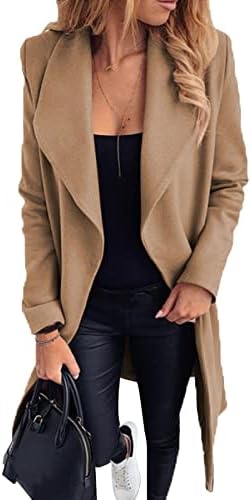
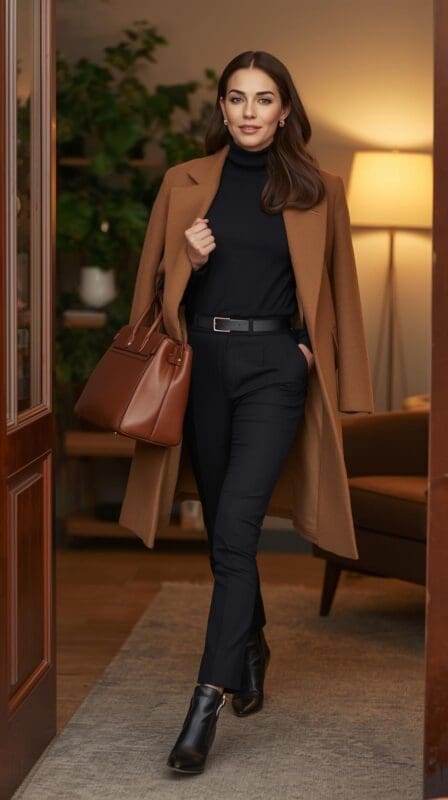
1. Camel Coat Over Monochrome Basics
Outfit formula: Black or charcoal trousers + matching knit + ankle boots + camel or warm beige coat.
Why it fits the aesthetic: The simple base lets the contrasting coat provide structure and color without several competing elements.
Practical check: Verify the coat’s fiber content, lining, closure, pockets, care instructions, and suitability for your climate.


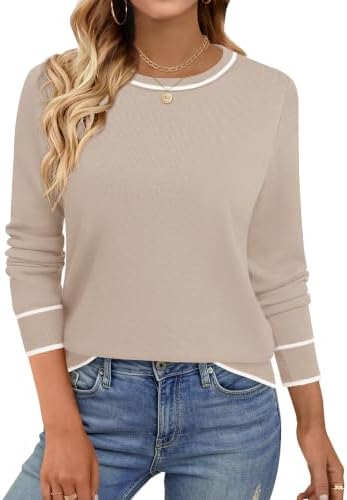
2. Fine-Knit Sweater With Tailored Trousers
Outfit formula: Cream, oatmeal, navy, or gray sweater + tailored trousers + loafers + simple belt.
Why it fits the aesthetic: A refined knit and clean trouser line create the aesthetic even when the pieces are affordable basics.
Practical check: Check opacity, pilling risk, neckline comfort, and care requirements; product titles do not guarantee cashmere or merino content.


3. Midi Skirt With a Knit Turtleneck
Outfit formula: A-line or softly pleated midi skirt + fitted knit + opaque tights + low boots.
Why it fits the aesthetic: The balanced proportions and restrained palette look intentional without relying on statement pieces.
Practical check: Test the waistband, stride, seated length, and the neckline for a full workday.
4. Tonal Winter-White Layers
Outfit formula: Ivory trousers + cream knit + stone or beige cardigan + taupe footwear.
Why it fits the aesthetic: Related light shades create depth through small color and texture differences.
Practical check: Check opacity and washability, especially if your work involves art materials, children, travel, or shared spaces.
5. Relaxed Blazer With Straight Trousers
Outfit formula: Charcoal, navy, or taupe blazer + simple blouse + straight trousers + loafers.
Why it fits the aesthetic: Soft tailoring brings structure while keeping the silhouette understated.
Practical check: Oversized should still allow safe movement; check sleeve length, shoulders, hem, and chair comfort.


6. Sweater Dress With a Simple Belt
Outfit formula: Knee-length or midi sweater dress + opaque tights + low boots + optional leather belt.
Why it fits the aesthetic: One main garment creates a clean line, while the belt adds definition only if desired.
Practical check: Sit, bend, and walk before wearing it to work; knits can cling, stretch, or shorten.
7. Muted Plaid Scarf With Minimal Layers
Outfit formula: Solid knit + coordinating trousers + plain coat + one muted plaid scarf.
Why it fits the aesthetic: The scarf adds pattern while the rest of the outfit stays quiet and repeatable.
Practical check: Remove it indoors if it becomes warm, catches on furniture, or interferes with work.
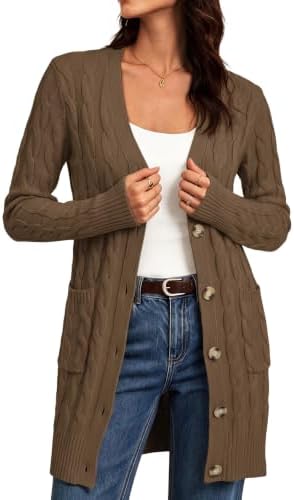
8. Longline Cardigan Over a Midi Dress
Outfit formula: Navy, charcoal, or brown midi dress + beige or tonal cardigan + loafers or flat boots.
Why it fits the aesthetic: The long layer creates a vertical line and can be removed when the building warms.
Practical check: Make sure cardigan and dress lengths work together and do not catch around chair wheels.


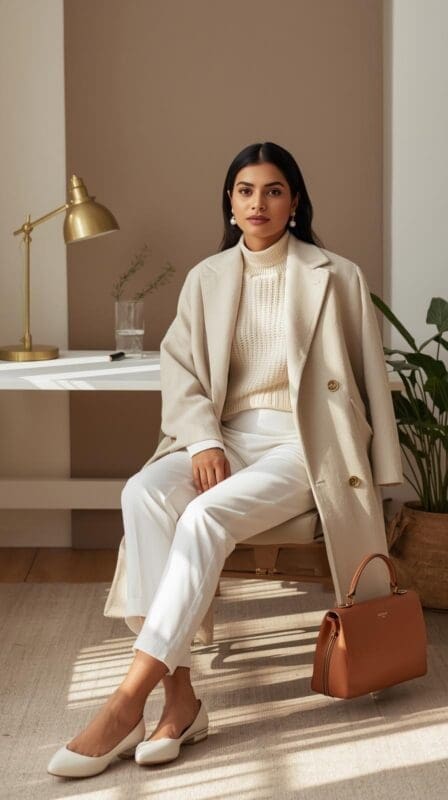
9. Wide-Leg Trousers With a Minimal Knit
Outfit formula: Gray, brown, or camel trousers + fitted crewneck or mock neck + loafers.
Why it fits the aesthetic: The trouser shape provides the main visual interest, so accessories can stay simple.
Practical check: Check hem clearance, rise, waistband comfort, and movement on stairs.


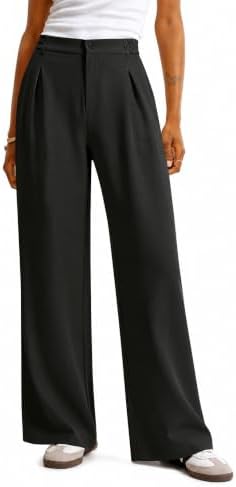
10. Neutral Coatigan With Dark Basics
Outfit formula: Black or navy trousers + simple top + oatmeal, gray, or taupe coatigan + loafers.
Why it fits the aesthetic: It offers the visual softness of knitwear with more structure than a casual cardigan.
Practical check: A coatigan may not replace weatherproof outerwear; verify weight, closures, and wind protection.
11. One Velvet or Textured Accent
Outfit formula: Deep green velvet blazer, textured skirt, or ribbed knit + otherwise plain neutral pieces.
Why it fits the aesthetic: One controlled texture adds winter richness without turning the outfit into occasion wear.
Practical check: Review cleaning instructions, lint, sheen under office lighting, and indoor warmth.
12. Minimal Jewelry With a Tonal Outfit
Outfit formula: Neutral top and trousers or dress + one small earring, necklace, watch, or brooch.
Why it fits the aesthetic: A single accessory finishes the outfit while preserving the restrained palette.
Practical check: Choose pieces appropriate to the setting; avoid sharp, noisy, fragile, or easily grabbed jewelry where relevant.
How to Create the Look Without Luxury Prices
Use the wardrobe first. Choose one reliable neutral base and repeat it with different layers. A clean, repaired, well-fitting garment can contribute more to this aesthetic than an expensive item that does not coordinate.
Shop secondhand selectively. Coats, blazers, leather belts, and simple wool-look trousers may be easier to assess in person, where you can inspect wear, fit, closures, and care labels.
Tailor strategically. Hemming trousers or adjusting a blazer sleeve may unlock more wear than replacing the whole item. Compare alteration cost with the garment’s condition and expected use.
Buy the gap, not the image. If the outfit formula fails because you lack weather-ready boots, do not buy another cream sweater. Prioritize the missing functional piece.
Fabric and Product Claims to Check
Words such as “luxury,” “cashmere feel,” “silk-like,” and “wool blend” can describe very different products. Read the current fiber label and care instructions instead of relying on the title or photography.
For knits: check fiber percentages, pilling feedback, softness, opacity, and wash care. For coats: check lining, closures, pockets, weight, and weather suitability. For trousers: check rise, inseam, stretch, and hem. For shoes: check width, tread, heel stability, and return terms.
Amazon listings, prices, sellers, availability, materials, and sizing can change. Treat the product blocks as discovery tools and verify every detail on the live listing before ordering.
Connect This Look to Your Existing Wardrobe
Use the professional therapist outfit guide as the evergreen foundation. Build fewer, more compatible pieces with the professional capsule wardrobe guide.
For more winter combinations, see cozy winter work outfits for counselors, winter work dresses for counselors, and professional winter boots for psychologists.
If you prefer deeper colors and vintage-inspired layers, compare these ideas with dark academia outfits for psychologists and counselors.
Quiet Luxury Workwear FAQ
Do I need cashmere, silk, or wool to create the look?
No. The aesthetic can come from color coordination, fit, simple shapes, and careful maintenance. Choose fibers around comfort, care, climate, budget, and personal values.
Can quiet luxury include color?
Yes. Burgundy, forest green, deep blue, dusty rose, chocolate, and other accents can work within a coordinated palette. Neutral-only dressing is one interpretation, not a rule.
Is an oversized blazer professional?
It can be when it suits the workplace and fits intentionally. Check shoulder movement, sleeve length, overall proportion, and whether it remains practical while seated.
How many pieces do I need?
There is no required number. Begin with one base outfit and two compatible layers. Add only when a repeated gap appears in your real schedule.
Quiet Luxury as a Styling Option—not Applied Psychology
Clothing does not create safety, regulate a client’s nervous system, or substitute for professional skill. A restrained wardrobe can be personally useful because it simplifies coordination and reflects a preferred aesthetic, but clients differ widely in culture, taste, access needs, and interpretation.
Choose quiet luxury if you enjoy the look. Keep the parts that serve your workday—clean lines, repeatable colors, functional layers—and leave behind the pressure to appear expensive or perfectly styled.

About the Author
Hi, I’m Eve, a former school counselor with a master’s degree in School Psychology and a passionate advocate for children and families navigating sensory challenges. As a mom of children with sensory sensitivities, I deeply understand the journey special-needs parents face, and I dedicate myself to researching and sharing practical solutions to help children thrive and feel comfortable in their bodies. My goal is also to empower counselors, therapists, and psychologists with creative strategies and supportive resources to enrich their everyday practice. When I’m not writing or exploring new therapeutic approaches, you’ll find me spending quality time with my family and continually seeking inspiration from everyday moments.

