
A professional capsule wardrobe is a small, coordinated collection of clothing that fits your real workday. For psychologists, counselors, and therapists, that means accounting for seated sessions, movement between rooms, floor-based activities, workplace policies, climate, laundry, and personal comfort—not following a rigid list of “must-have” fashion items.
This guide keeps the elegant and feminine direction of the original article, but treats it as an optional aesthetic rather than a professional requirement. You can build the same system with romantic details, minimalist tailoring, bold color, modest clothing, adaptive garments, or any style that feels authentic and appropriate for your setting.
This post may contain affiliate links. If you make a purchase through these links, I may earn a small commission at no extra cost to you.

Step 1: Audit Your Current Work Wardrobe
Do not begin by shopping. Spend one or two workweeks noticing what you actually wear and what repeatedly causes difficulty. Set aside pieces that do not fit, need repair, conflict with workplace policy, or cannot be combined with anything else.
- Which outfits do you repeat most often?
- Which pieces stay comfortable through sitting, standing, travel, and temperature changes?
- What is the recurring gap: trousers, layers, footwear, weather protection, or meeting-day polish?
- Which items require unrealistic care or constant adjustment?
- What colors and silhouettes already dominate your wardrobe?
Photograph five successful outfits. Those combinations are better evidence for your capsule than a generic checklist.
Step 2: Choose a Flexible Color Palette
Choose two or three base colors already present in your closet, then one or two accent colors. A feminine palette might combine navy, cream, and taupe with dusty rose or burgundy; another person may prefer black, charcoal, and camel with emerald or cobalt.

| Palette role | Examples | Use it for |
|---|---|---|
| Dark base | Navy, charcoal, black, deep brown | Trousers, blazers, shoes |
| Light base | Cream, stone, soft gray, beige | Tops, cardigans, dresses |
| Accent | Dusty rose, burgundy, sage, teal | Blouses, scarves, jewelry |
The test is compatibility, not whether a color is “calming.” Most tops should work with most bottoms, and the palette should suit your own complexion, preferences, cultural context, and workplace.
Step 3: Build the Foundation Pieces
Blazers and Professional Layers
One soft blazer and one cardigan can cover many formality and temperature changes. Choose a blazer that works with at least two bottoms and one dress. Check shoulder movement, sleeve length, closure, pockets, lining, and care instructions.


Blouses, Knit Tops, and Base Layers
A practical group might include two knit tops, two blouses, and one warmer seasonal top. Look for necklines that stay comfortable while seated, fabric that is opaque under workplace lighting, and sleeves that work under your layers. “Silk-like” product titles do not necessarily indicate silk, so verify fiber content.


Trousers and Skirts
Two or three trousers in coordinating colors can anchor most outfits. Add a skirt only if you regularly wear one. Check rise, waistband comfort, pocket placement, stretch, hem length, and how the garment behaves when sitting.


Dresses
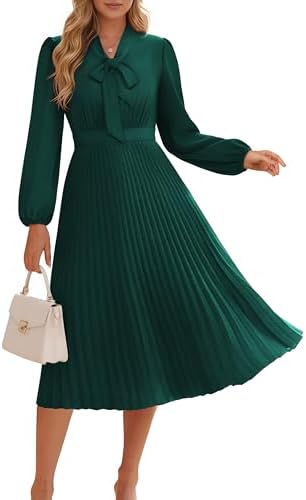
One versatile dress can provide an easy meeting or presentation outfit. A wrap, A-line, shirt, or softly structured midi silhouette may work, but fit matters more than the label. Test the neckline, hem, opacity, and range of movement.


Shoes
Choose footwear around walking, standing, local weather, floor surfaces, and any support needs. A common capsule might include one polished flat or loafer, one weather-appropriate boot, and an optional dressier shoe. There is no need to include heels.


Step 4: Add Functional Accessories
Jewelry
Small earrings, a necklace, watch, brooch, or ring can personalize repeated basics. In child-focused, medical, or hands-on environments, consider whether an item is sharp, noisy, fragile, or easy to grab.

Work Bags
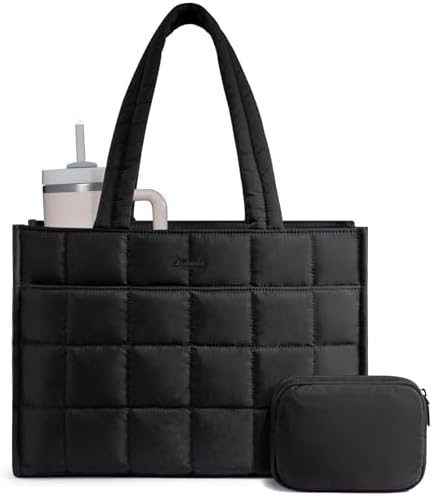
Choose a bag for what you truly transport. Check dimensions, closure, strap comfort, empty weight, laptop protection, and whether confidential materials require a separate secure solution. A larger tote is not automatically more useful.


Scarves, Belts, and Hair Accessories
Accessories can change familiar combinations without adding another full outfit. Keep them secure and compatible with identification badges, headphones, equipment, and the physical demands of your setting.

A Sample 16-Piece Therapist Capsule
Use this as a planning example, not a required number. Outerwear, undergarments, exercise clothing, uniforms, and special-event pieces are not included.
- 2 blazers or structured layers
- 2 cardigans
- 5 tops: two knits, two blouses, one seasonal layer
- 3 trousers
- 1 skirt
- 1 dress
- 2 pairs of indoor work shoes
If you never wear skirts, replace the skirt with trousers. If your workplace is casual, use an overshirt instead of a second blazer. If you wear adaptive, modest, religious, or uniform clothing, build the count around those needs.
Ten Outfit Formulas From the Capsule
1. Blazer + knit top + straight trousers + loafers
2. Cardigan + blouse + wide-leg trousers + flats
3. Dress + blazer + simple jewelry
4. Dress + cardigan + weather-appropriate boots
5. Blouse + skirt + cardigan + loafers
6. Mock neck + trousers + blazer
7. Monochrome top and trousers + accent scarf
8. Knit top + skirt + structured layer
9. Blouse + trousers + belt + polished flats
10. Seasonal knit + trousers + cardigan


How to Keep the Capsule Feminine Without Making It Impractical
Femininity can come from shape, color, drape, texture, print, or accessories. You do not need all of these in one outfit. A practical balance is one expressive element with reliable basics.
Soft structure: a draped blazer with straight trousers. Romantic detail: a blouse with subtle pleats or a tie neckline. Color: rose, plum, sage, or another accent you genuinely wear. Shape: an A-line skirt or defined waist that still allows movement. Accessories: one scarf, earring, brooch, or hair accessory.
Avoid treating “feminine” as a rule for warmth, competence, or approachability. Professional standards should leave room for gender expression and individual style.
Shop in the Right Order
1. Repair and tailor: fix useful pieces already in the wardrobe.
2. Fill the biggest functional gap: buy the item that unlocks several combinations.
3. Test compatibility: require each purchase to work with at least three existing pieces.
4. Wait before duplicating: wear a new item several times before buying another version.
5. Add accents last: accessories should support the capsule rather than distract from missing basics.
Amazon prices, materials, sizing, availability, and seller details can change. Verify the current listing, size chart, return terms, and recent customer feedback before ordering.
Connect the Capsule to Your Seasonal Wardrobe
Begin with the evergreen professional outfit ideas for therapists.
Add cold-weather layers using cozy winter work outfits for counselors.
Plan one-piece outfits with winter work dresses for counselors.
Choose commute footwear using the professional winter boots guide.
For warmer months, use spring therapist outfits and summer therapist outfit ideas.
Capsule Wardrobe FAQ
How many pieces should a professional capsule wardrobe contain?
There is no correct number. Choose enough pieces for your workdays and laundry frequency, then account for climate and dress-code variation. A smaller wardrobe is only useful when it supports your routine.
Should I buy everything at once?
No. Start with existing pieces, identify one repeated gap, and add gradually. This reduces duplicate purchases and gives you time to test fit, care, and compatibility.
Do capsule pieces have to be neutral?
No. A coordinated palette can include strong colors and prints. Neutrals are one convenient option, not a requirement.
What if my size or comfort needs change?
Treat the capsule as a working system. Remove pieces that no longer fit your body or needs and replace them only when necessary. The wardrobe should adapt to you.
Build a Capsule That Serves Your Work
A successful capsule is not defined by a fixed number, luxury fabric, or perfectly matching rail of clothes. It is a wardrobe in which most pieces work together, meet the demands of your setting, and feel comfortable enough to wear repeatedly.
Begin with an audit, choose a flexible palette, and fill one practical gap at a time. Elegant and feminine details can make the wardrobe feel personal, while fit, function, and professional judgment keep it useful.

About the Author
Hi, I’m Eve, a former school counselor with a master’s degree in School Psychology and a passionate advocate for children and families navigating sensory challenges. As a mom of children with sensory sensitivities, I deeply understand the journey special-needs parents face, and I dedicate myself to researching and sharing practical solutions to help children thrive and feel comfortable in their bodies. My goal is also to empower counselors, therapists, and psychologists with creative strategies and supportive resources to enrich their everyday practice. When I’m not writing or exploring new therapeutic approaches, you’ll find me spending quality time with my family and continually seeking inspiration from everyday moments.


Pingback: The Ultimate Style Guide for Mental Health Professionals: Fashion Tips for Every Setting – EveYou