
Winter workwear for counselors has to solve two different problems: outdoor cold and indoor comfort. A heavy outfit may work on the commute but feel unbearable in a warm classroom, while a polished indoor look may not provide enough protection between buildings. The most reliable solution is a flexible system of base pieces, removable layers, and weather-appropriate footwear.
These 15 cozy winter work outfits for counselors cover dresses, trousers, skirts, coats, and casual-day combinations. Use them as formulas rather than shopping lists. Start with pieces you own, then fill only the gaps that make several outfits easier to wear.
This post may contain affiliate links. If you make a purchase through these links, I may earn a small commission at no extra cost to you.

Build a Practical Winter Workwear System
- Base: a dress, trousers, skirt, or other workplace-appropriate foundation.
- Indoor layer: a cardigan, blazer, overshirt, or light knit that can be removed.
- Outdoor layer: a coat suited to your local weather and commute.
- Footwear plan: weather-ready boots, plus optional indoor shoes if wet soles are inconvenient.
- Small warmth layer: tights, thin thermal base layer, socks, or scarf chosen for comfort and dress-code fit.
Before buying, check workplace policy, building temperature, commute, movement needs, and garment care. Product photos cannot show whether an item will feel comfortable during your actual workday.
Quick Outfit Planner
| Workday | Easy base | Flexible layer | Footwear |
|---|---|---|---|
| Regular office sessions | Knit top + ankle trousers | Cardigan | Loafers or ankle boots |
| Floor-based work | Relaxed trousers + tucked knit | Soft blazer or cardigan | Flat boots |
| Parent meeting | Midi dress or tailored trousers | Blazer | Polished low boots |
| Between buildings | Layer-friendly separates | Warm coat | Weatherproof boots |
| Casual school day | Corduroy trousers or tunic | Relaxed knit | Clean flats or boots |
15 Cozy Winter Work Outfits for Counselors
1. Sweater Dress With Tights and Boots
Outfit formula: Neutral sweater dress + opaque tights + ankle or knee-high boots + optional belt.
Why it is practical: One main garment reduces morning decisions, while tights and boots adjust warmth.
Check: Sit, bend, and walk in the dress before work; knits may cling or shorten when moving.

2. Blazer With Lightweight Knit Layers
Outfit formula: Tailored or softly structured blazer + fine-gauge turtleneck or crewneck + straight trousers.
Why it is practical: A thin knit adds warmth without creating excessive bulk under the blazer.
Check: Raise and cross your arms to check shoulder mobility; review fabric care before buying.


3. Turtleneck With Ankle Trousers
Outfit formula: Mock-neck or turtleneck knit + ankle-length trousers + loafers indoors + coat for the commute.
Why it is practical: The simple silhouette works across many dress codes and can be repeated with different colors.
Check: Choose a neckline you can tolerate all day and make sure cropped trousers work with your socks and winter footwear.

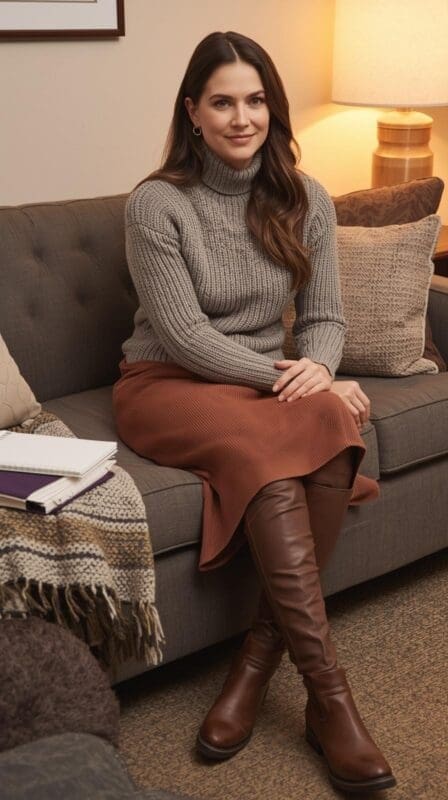
4. Midi Skirt With Tall Boots
Outfit formula: Midi skirt + fitted knit + tall boots + cropped cardigan.
Why it is practical: The tall boots reduce the exposed gap between skirt and footwear, while the cardigan allows temperature changes.
Check: Check the skirt and boot shafts in seated positions and around stairs.
5. Neutral Plaid Layers
Outfit formula: Plaid trousers or skirt + solid knit + neutral coat or cardigan.
Why it is practical: One restrained pattern brings seasonal interest without requiring themed clothing.
Check: Keep other pieces simple and confirm the pattern is compatible with your workplace.

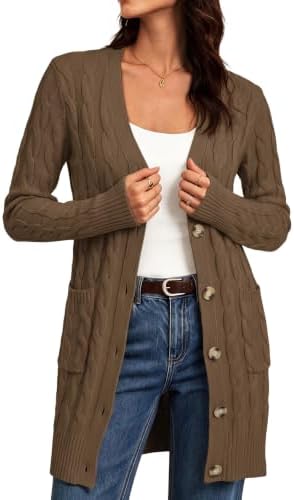
6. Cardigan Over a Work Dress
Outfit formula: Long-sleeve dress + removable cardigan + tights + low boots.
Why it is practical: This helps extend suitable fall dresses into colder months without buying a separate wardrobe.
Check: Make sure the cardigan length works with the dress hem and does not catch on furniture.


7. Professional Coat for Arrival and Travel
Outfit formula: Simple indoor outfit + tailored wool-look or insulated dress coat + scarf + weather-ready boots.
Why it is practical: A good outer layer can make familiar basics practical for cold commutes and building-to-building travel.
Check: Verify fiber content, insulation, closure, pocket placement, care instructions, and weather suitability on the current listing.
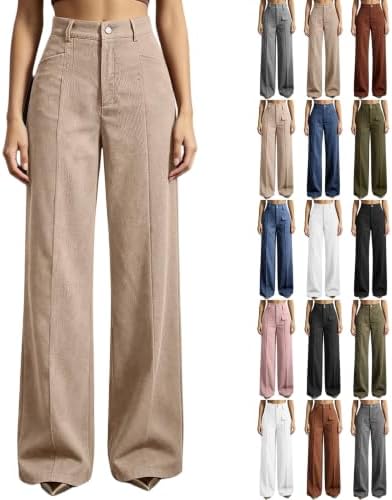
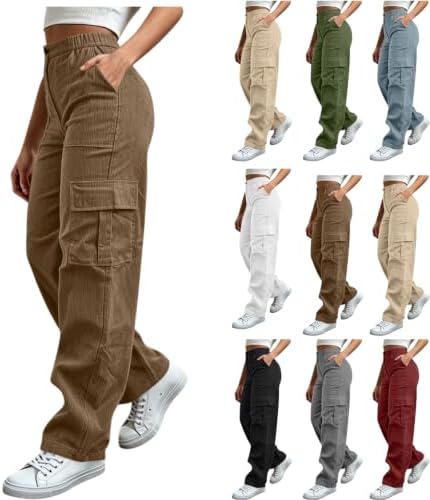
8. Corduroy Trousers With a Soft Knit
Outfit formula: Straight or wide-leg corduroy trousers + fine knit + loafers or ankle boots.
Why it is practical: Corduroy adds texture and may feel seasonally appropriate while remaining easy to pair with basics.
Check: Check the wale, stretch, rise, and whether the fabric attracts lint or makes noise when walking.

9. Simple Outfit With a Knit Scarf
Outfit formula: Solid trousers + plain sweater or blouse + soft scarf for the commute.
Why it is practical: A scarf changes a repeated outfit and can be removed indoors.
Check: Avoid loose ends around equipment, children, or wheeled chairs, and choose a texture that does not irritate your skin.
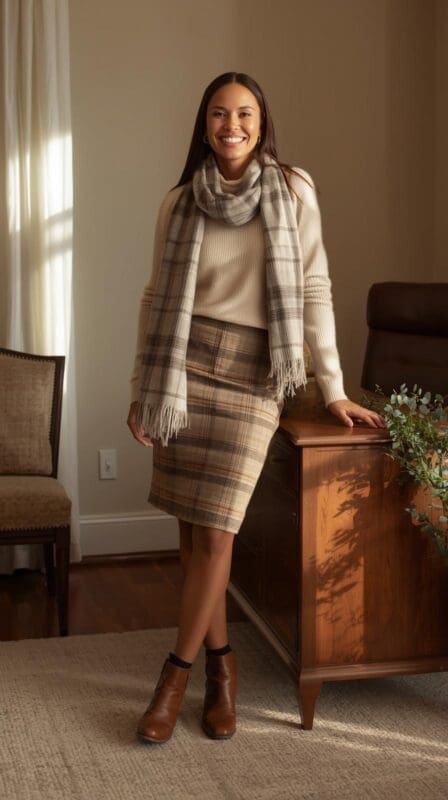
10. One Textured Statement Piece
Outfit formula: Velvet blazer, corduroy skirt, or textured knit + otherwise simple neutral pieces.
Why it is practical: Limiting texture to one piece keeps the outfit intentional and easier to coordinate.
Check: Check lighting, lint, care needs, and whether the texture is comfortable in a heated office.
11. Weather Boots With Indoor Shoes
Outfit formula: Outdoor boots + compact pair of loafers or flats stored at work + your usual trousers or dress.
Why it is practical: Changing shoes keeps wet or salty soles away from office floors and may improve indoor comfort.
Check: Use a boot tray and choose indoor shoes that fit workplace policy and your support needs.


12. Subtle Seasonal Accessories
Outfit formula: Neutral outfit + pine, burgundy, silver, or winter-pattern accessory.
Why it is practical: A small accessory brings seasonal interest without turning the full outfit into holiday wear.
Check: Avoid noisy jewelry or accessories that interfere with identification badges, headphones, or hands-on activities.
13. Small Winter Capsule Wardrobe
Outfit formula: Two trousers + one skirt or dress + three knit tops + two indoor layers + coordinated footwear.
Why it is practical: A limited palette allows more combinations and exposes real wardrobe gaps.
Check: Choose quantities around laundry frequency and work schedule rather than following a fixed formula.

14. Monochrome Winter Layers
Outfit formula: Black, gray, navy, camel, or cream pieces in varied textures + one contrasting accessory.
Why it is practical: A tonal palette simplifies coordination and makes repeated basics look deliberate.
Check: Check lighter colors for opacity and care practicality; dark knits may show lint.

15. Hidden Warmth Under Skirts or Trousers
Outfit formula: Thin thermal layer or tights beneath a work outfit + removable indoor layer.
Why it is practical: A discreet base layer may help during cold commutes without changing the visible outfit.
Check: Ensure the layer does not restrict movement, bunch, overheat you indoors, or conflict with workplace policy.

Where to Spend—and Where to Use What You Own
Prioritize pieces that solve repeated problems: weather protection, reliable footwear, a removable indoor layer, or trousers that work with several tops. Seasonal accessories and trend-led textures can usually come from your existing wardrobe, a clothing swap, or secondhand shopping.
- Consider investing in: coat, weather-ready boots, comfortable trousers, versatile cardigan.
- Reuse first: scarves, jewelry, belts, basic knits, dresses that layer well.
- Buy only after testing the gap: specialty thermal pieces, bold prints, occasion-specific clothing.
Shopping and Fit Checklist
- Compare your measurements with the current size chart.
- Check fiber content, lining, opacity, stretch, and care instructions.
- Confirm return terms, delivery dates, and possible return costs.
- Test sitting, reaching, stairs, and floor-level movement where relevant.
- Make sure each new piece works with at least three items you own.
- Verify weather claims and product details on the current listing; availability and specifications can change.
For dress-specific fit and layering ideas, see winter work dresses for counselors. For the commute, compare professional winter boots for psychologists.
Winter Work Outfit FAQ
How can I stay warm without looking bulky?
Use several adjustable layers: a thin base, a fine knit, and a removable cardigan or blazer. Reserve the heaviest insulation for outerwear when the building is warm.
What colors are easiest to mix?
Choose two or three neutrals already present in your closet, then add one or two accent colors. Navy, charcoal, black, camel, cream, olive, and burgundy can work, but the best palette is the one that coordinates with your existing shoes and coat.
Can I repeat the same outfit formula?
Yes. Repeating a reliable formula with different tops, accessories, or layers reduces decisions and does not require buying many unique outfits.
What if my office temperature changes throughout the day?
Choose removable layers and keep one neutral cardigan or blazer at work. Avoid relying on a single very heavy garment that cannot be adjusted.
A Winter Wardrobe That Supports the Workday
Professional winter style does not require a new wardrobe. Begin with one dependable base, one removable indoor layer, one outdoor solution, and footwear suited to your environment. Repeat what works and add products only when they solve a specific problem.
For a more refined visual direction, explore quiet luxury winter outfits for psychologists. To organize year-round purchases, use the professional capsule wardrobe guide.

About the Author
Hi, I’m Eve, a former school counselor with a master’s degree in School Psychology and a passionate advocate for children and families navigating sensory challenges. As a mom of children with sensory sensitivities, I deeply understand the journey special-needs parents face, and I dedicate myself to researching and sharing practical solutions to help children thrive and feel comfortable in their bodies. My goal is also to empower counselors, therapists, and psychologists with creative strategies and supportive resources to enrich their everyday practice. When I’m not writing or exploring new therapeutic approaches, you’ll find me spending quality time with my family and continually seeking inspiration from everyday moments.

